
Understanding the Importance of Early Education
Early childhood education is a critical phase in a child's development that sets the foundation for lifelong learning and success. Educational opportunities during these formative years are essential for cognitive, emotional, and social growth. According to research, children who participate in quality preschool programs are more likely to experience better academic outcomes and social skills in later years. This comprehensive article will provide insights into the significance of early education, explore Podar Prep locations, and delve into what makes these centers exceptional providers of preschool education. For parents keen to explore options, https://podarprep.com/locations provides comprehensive insights into available centers.
Why Early Childhood Education Matters
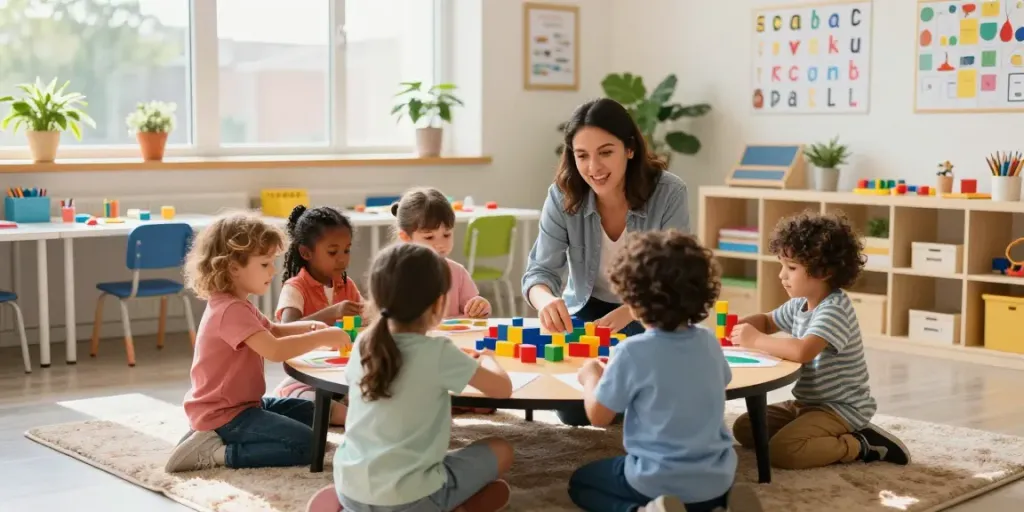
Early childhood education plays a pivotal role in fostering a love for learning. At Podar Prep, the focus is on creating an engaging environment where children can explore and learn through play. Studies have shown that high-quality preschool programs lead to significant improvements in language, literacy, and numeracy skills. The ability to engage children with innovative teaching methods ensures they are well-prepared for formal schooling.
Key Development Milestones for Preschoolers
Children between the ages of 3 and 6 undergo crucial developmental milestones. These include:
- Cognitive Development: Children begin to think abstractly, solve problems, and understand concepts of time and space.
- Language Skills: Vocabulary expands rapidly, and they start forming complex sentences.
- Social Skills: Interaction with peers aids in learning cooperation, sharing, and conflict resolution.
- Emotional Regulation: Young children learn to express and manage their emotions, fostering resilience.
Long-Term Benefits of Quality Preschool Programs
Investing in quality preschool education can yield long-term benefits. Research indicates that children who attend high-quality preschool programs have higher graduation rates, better job prospects, and improved mental health outcomes as adults. Moreover, early education reduces the likelihood of juvenile delinquency and promotes social adaptability.
Exploring Podar Prep Locations
With numerous centers across India, Podar Prep makes it convenient for parents to find quality preschool education nearby. The variety of locations means that families can easily access educational resources and communities that reflect their values. Each Podar Prep center combines a nurturing environment with a curriculum aimed at holistic development.
How to Find the Nearest Podar Prep Center
Finding the nearest Podar Prep center is as simple as visiting their website or using local search tools. The user-friendly interface allows parents to filter results based on their location and specific needs. Whether in bustling cities or quieter suburbs, there's likely a Podar Prep center that aligns with your family's requirements.
Introduction to Podar Prep’s Educational Philosophy
At Podar Prep, the educational philosophy emphasizes a holistic approach to learning that nurtures the mind, body, and spirit. The curriculum is designed around the principles of inquiry-based learning, encouraging children to ask questions and explore their interests. This philosophy is grounded in the understanding that children are natural learners, and the role of educators is to guide and facilitate this innate curiosity.
What Makes Podar Prep Unique in Your Area?
The uniqueness of Podar Prep in various locations stems from their commitment to culturally relevant education and community involvement. Each center tailors its programs to reflect local values and traditions, ensuring that children not only learn foundational skills but also develop a sense of identity and belonging.
Curriculum and Learning Approaches
Podar Prep implements a Glocal curriculum, blending global best practices with local content. This innovative approach adapts to the needs of families while ensuring that children receive a well-rounded education that prepares them for future challenges.
Overview of Podar Prep’s Glocal Curriculum
The Glocal curriculum focuses on integrating international standards with local context. This means children learn about their surroundings—culture, environment, and community—while also being exposed to global concepts and ideas. The goal is to develop globally minded citizens who are aware of their roots.
Innovative Learning Methods Used at Podar Prep
Podar Prep employs various innovative learning methods that cater to different learning styles. These include:
- Play-Based Learning: Children learn through structured play, which fosters creativity and critical thinking.
- Project-Based Learning: Collaborating on projects encourages teamwork and problem-solving skills.
- Experiential Learning: Field trips and hands-on activities connect classroom learning to real-world experiences.
Real-World Examples of Learning Activities
Examples of engaging activities at Podar Prep include:
- Science Days: Hands-on experiments teach basic scientific principles.
- Storytelling Sessions: This encourages language development and comprehension.
- Cultural Celebrations: Children participate in local festivals, enhancing their appreciation for diversity.
Choosing the Right Preschool for Your Child
Selecting a preschool is a significant decision for parents. It involves careful consideration of various factors, including location, curriculum, and teaching philosophy. Understanding what to look for can ease this process and ensure the best choice for your child.
Factors to Consider When Selecting a Preschool
Key factors include:
- Curriculum: Ensure that the preschool offers a curriculum that aligns with your educational values.
- Teacher Qualifications: Inquire about the education and training of the staff.
- Facilities: Evaluate the safety and accessibility of the premises.
- Parent Reviews: Seek feedback from current or past parents to gauge their experiences.
Visiting and Evaluating Podar Prep Locations
When visiting, observe the interactions between teachers and children, the learning environment, and the overall atmosphere. A welcoming and engaging environment is crucial for fostering a love for learning. Additionally, meet with educators to discuss their teaching approaches and how they align with your child's needs.
How to Prepare Your Child for Preschool
Preparation for preschool involves familiarizing your child with the concept of school. This can include short visits to the center, reading books about school, and engaging in play that mimics school routines. Encouraging social interactions with other children can also help ease the transition.
Future Trends in Preschool Education
The landscape of early childhood education is continuously evolving. As we approach 2026, several emerging trends are poised to shape preschool education significantly.
Emerging Trends in Early Childhood Education for 2026
Key trends include:
- Increased Focus on Mental Health: Recognizing the importance of emotional well-being for young learners.
- Hybrid Learning Models: Combining in-person and digital learning experiences to enhance accessibility.
- Social-Emotional Learning (SEL): Integrating SEL into the curriculum to support holistic development.
Leveraging Technology in Preschool Learning
Technology will continue to play a significant role in preschool education. Interactive tools and educational software tailored for young learners can enhance engagement and learning outcomes. However, balance is key to ensure that technology supplements rather than replaces traditional learning methods.
Preparing for Changes in Educational Standards
As educational standards evolve, staying in tune with these changes is vital for educators and parents alike. Engaging with local educational authorities and professional networks can provide insights into upcoming reforms and best practices. Continuous learning and adaptation will ensure that preschool programs remain relevant and effective.